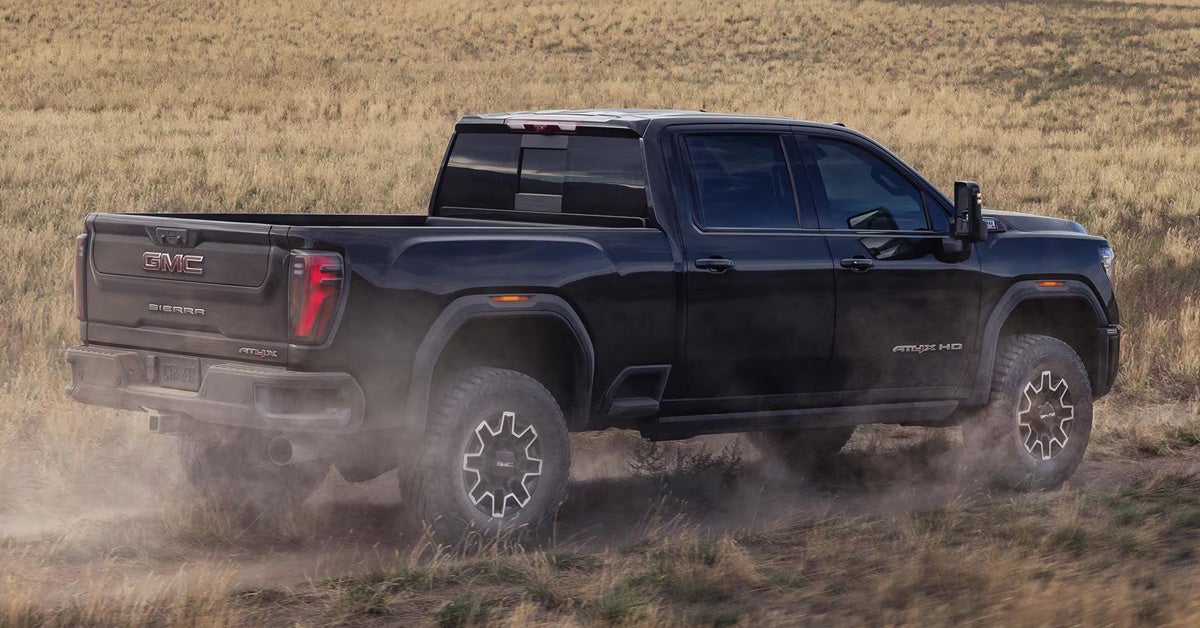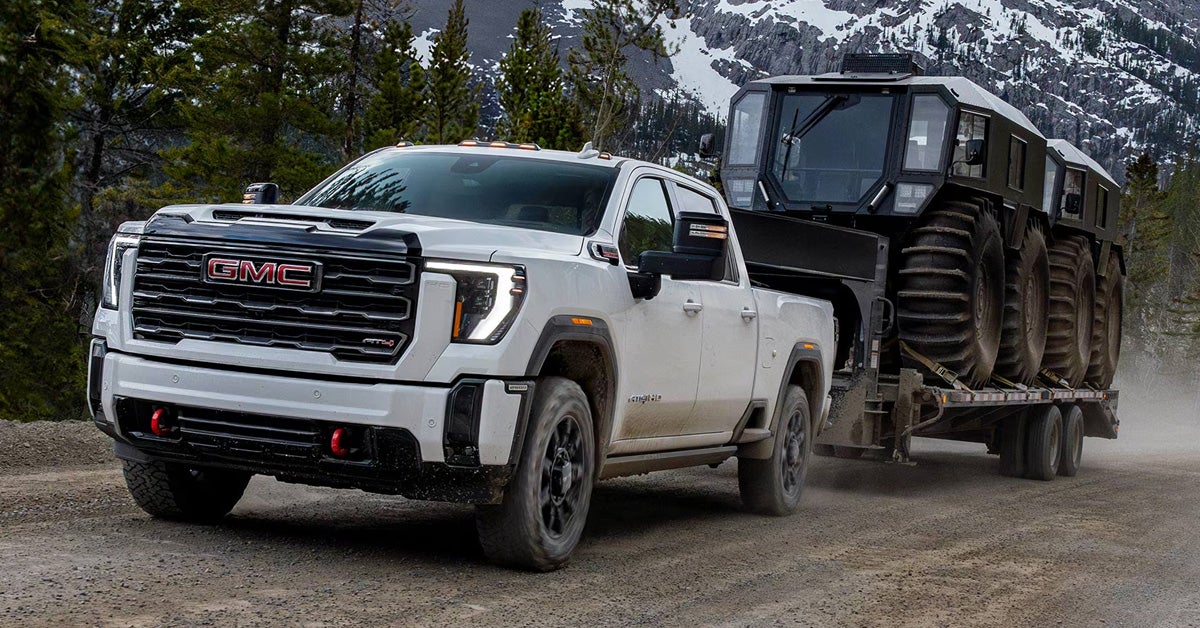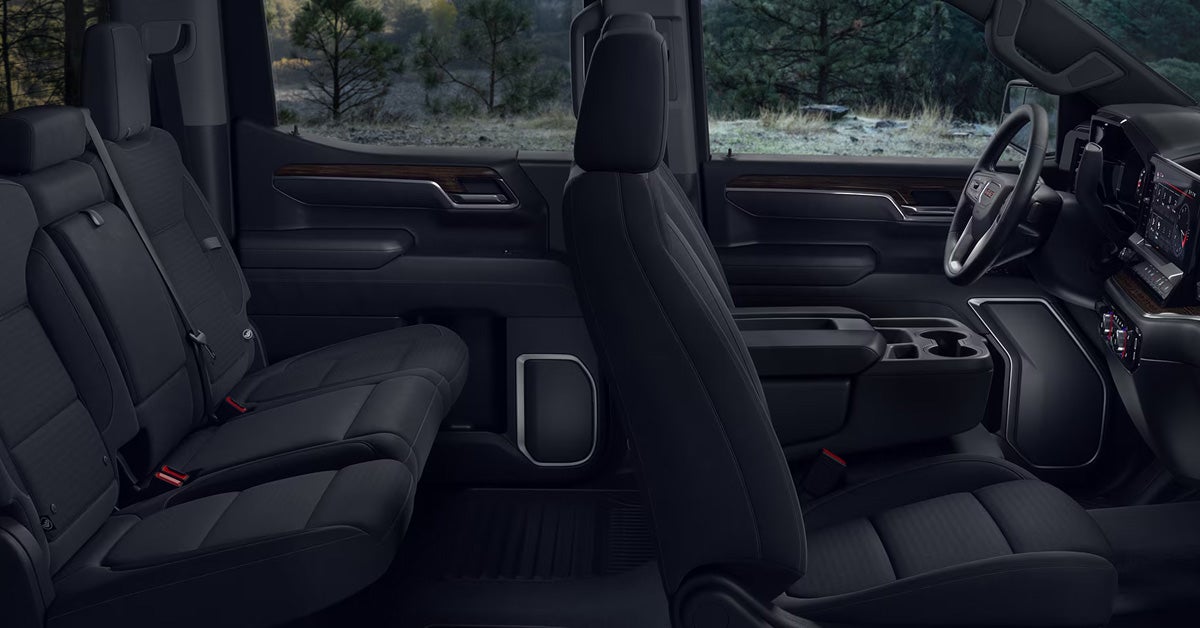



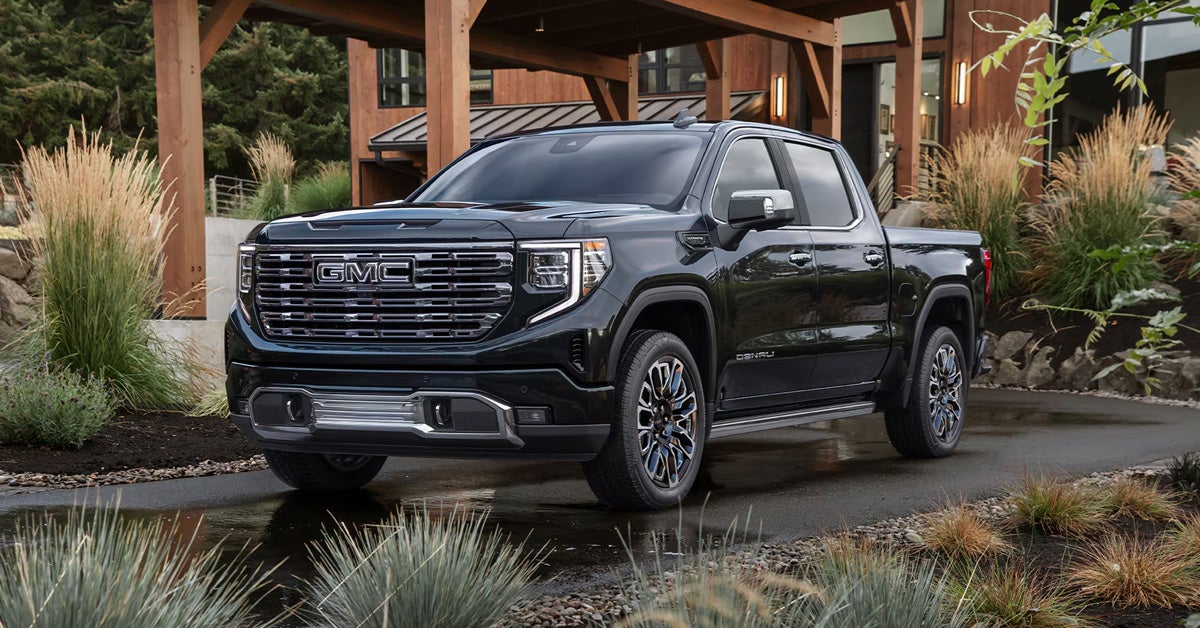
RWD and 4WD may seem like a simple checkbox on a GMC Sierra 1500, but that decision can affect everything from fuel economy and towing capacity to off-road performance and long-term ownership costs. Rear-wheel drive is often favored for its efficiency, lower purchase price, and work-focused capability, while four-wheel drive shines when extra traction, rugged terrain, and all-weather confidence are priorities. Knowing where and how you'll use your truck is the key to determining which drivetrain delivers the most value.
At Penske Buick GMC of South Bay, we help drivers confidently compare GMC Sierra 1500 configurations. Whether you're searching for a new truck, exploring financing options, scheduling service, or shopping for genuine parts and accessories, our team is ready to assist. Visit our dealership or contact us today to learn more about the GMC Sierra 1500 and the services we offer.
What Are the Key Differences Between the GMC Sierra 1500 RWD and 4WD?
The GMC Sierra 1500 RWD vs. 4WD comparison starts with how each system delivers power to the road. Rear-wheel drive sends power to the back wheels only, while four-wheel drive can distribute power to all four wheels when extra traction is needed. That single mechanical difference influences everything from driving feel to capability and cost.
For most shoppers, the decision isn’t about which system is better in general but which one fits their actual driving routine and local conditions.
Key GMC Sierra 1500 RWD vs. 4WD Differences
- Fuel Economy: RWD models are typically more efficient due to lower weight and fewer drivetrain components.
- Purchase Price: RWD models generally have a lower upfront cost than 4WD models.
- Towing and Payload: RWD can offer slightly higher ratings because of reduced overall vehicle weight.
- Traction: 4WD provides better grip on slippery, loose, or uneven surfaces.
- Off-Road Capability: 4WD is better suited for sand, mud, snow, and rugged terrain.
- Resale Value: 4WD models often hold value better due to broader market demand.
A driver who spends most of their time on paved highways and handles light-duty hauling will likely appreciate the efficiency and lower cost of RWD. On the other hand, someone who regularly encounters uneven roads, boat ramps, or shifting weather conditions will benefit more from the added traction and control of 4WD.
If you’re still weighing your options, Penske Buick GMC of South Bay can walk you through available GMC Sierra 1500 configurations and help you choose the setup that fits your daily driving needs.
Which Drivetrain Is Better for California Drivers?
For many GMC Sierra 1500 shoppers in California, the question of which drivetrain makes the most sense usually depends on daily driving habits rather than extreme conditions. Most routes involve paved highways, city streets, and predictable weather, which naturally shape how each configuration performs in real life.
In areas like Torrance, Carson, and Gardena, rear-wheel drive is often the practical choice. It offers solid efficiency, lower upfront cost, and capable performance for commuting, job sites, and everyday hauling without adding extra mechanical complexity.
Where RWD Fits California Driving Well
- Daily freeway commuting and city traffic
- Light to moderate towing on paved roads
- Drivers focused on lower purchase price and fuel efficiency
- Work-focused use on maintained surfaces
California driving, however, is not the same everywhere. A short drive can quickly shift from urban streets to mountain roads, desert paths, or coastal weather changes. That’s where four-wheel drive becomes more relevant.
When 4WD Adds Value
- Weekend trips to mountain or desert destinations
- Camping or outdoor recreation on uneven terrain
- Launching boats or using unpaved access areas
- Added confidence during unexpected weather or road conditions
Both setups work well, but they serve different priorities. The right fit depends on where the GMC Sierra 1500 will spend most of its time.
If you’re still deciding, visit Penske Buick GMC of South Bay or contact our team to explore available GMC Sierra 1500 options in person. We’re here to help you compare trims, answer questions, and make sure you drive away in a setup that fits your needs.
How Do Towing and Payload Compare Between RWD and 4WD Models?
When looking at GMC Sierra 4WD vs. RWD differences, towing and payload numbers often surprise people. It’s a common assumption that 4WD automatically means more capability, but with the GMC Sierra 1500, the opposite can be true in specific situations.
Rear-wheel drive models tend to have a slight advantage because they are lighter overall. With fewer drivetrain components, the truck can allocate more of its capacity toward carrying and pulling loads.
Why RWD Often Leads in Work-Focused Capability
The reduced weight of RWD models can translate into stronger max ratings in certain configurations:
- Higher maximum towing capacity, reaching up to about 13,300 lbs, depending on setup
- Higher payload capacity, up to around 2,230 lbs in select configurations
- Less mechanical complexity under load, especially for consistent highway towing
For contractors or drivers around areas like Gardena or Carson who regularly haul equipment on paved roads, that difference can matter in day-to-day work.
Where 4WD Still Earns Its Place
4WD systems add valuable capability for traction and control, even if they slightly reduce maximum ratings due to added weight:
- Better stability on loose job sites or dirt access roads
- Stronger control when launching boats or towing on uneven ramps
- Increased confidence when conditions are unpredictable
A simple way to frame it is this: RWD leans into maximum hauling efficiency, while 4WD prioritizes traction and versatility.
For drivers weighing real-world towing needs against road conditions, Penske Buick GMC of South Bay can walk through available GMC Sierra 1500 configurations and help match the right setup to the kind of work and driving you do most often.
When Is 4WD Worth It for Traction and Off-Road Capability?
A Sierra rear-wheel vs. four-wheel drive comparison becomes most noticeable the moment traction starts to disappear. On dry pavement, both setups feel stable and capable in a GMC Sierra 1500. The difference shows up when the surface changes, whether that’s loose sand, wet dirt, or steep, uneven ground.
Rear-wheel drive sends power to the back tires only, which works well on solid, predictable roads. Four-wheel drive, however, can send power to all four wheels, giving the truck a stronger grip when conditions become unpredictable.
Where 4WD Makes a Real Difference
4WD becomes especially useful when the road or terrain stops cooperating:
- Muddy job sites or unpaved access roads
- Sand, including beach areas or loose desert terrain
- Gravel roads where traction constantly shifts
- Snow or icy surfaces during colder trips
- Steep or uneven terrain that challenges wheel grip
The GMC Sierra 1500 also offers 4HI and 4LO modes, which help tailor performance. 4HI is useful for maintaining speed on slippery roads, while 4LO delivers maximum torque for slow, controlled movement through deep or rough terrain.
When RWD Still Holds Up
Rear-wheel drive remains more than capable for drivers who primarily use highways, city streets, and maintained roads in areas like Torrance or Carson. It delivers smooth performance without the added complexity of engaging four-wheel systems.
The key is not overestimating conditions. RWD is often sufficient if traction rarely becomes an issue.
For added confidence and guidance, contact Penske Buick GMC of South Bay or visit us to explore GMC Sierra 1500 options in person. Our team can help you compare configurations and choose the setup that fits your driving needs and everyday routes.
How Do Ownership Costs Differ Between RWD and 4WD?
Looking at the GMC Sierra 4WD vs RWD differences from a cost perspective reveals that the decision goes beyond capability. The drivetrain you choose on a GMC Sierra 1500 can influence what you pay upfront, how much you spend on fuel, and even long-term maintenance needs.
Upfront Price and Fuel Savings
RWD models typically come with a lower starting price. That initial gap can be noticeable, especially when adding trims or options. On top of that, lighter weight often leads to slightly improved fuel economy over time, which accumulates for drivers covering long highway routes between locations such as Torrance and Carson.
Maintenance and Long-Term Care
RWD systems are mechanically simpler, which can mean fewer service points over the life of the truck. With 4WD, there are additional components that require attention.
Common 4WD-related maintenance items include:
- Transfer case fluid service
- Front differential maintenance
- Additional drivetrain wear items
- More complex repairs if issues arise
Balancing Cost vs. Capability
While RWD often wins on upfront savings and simplicity, 4WD brings value in situations where traction and versatility matter. Many owners view that added cost as a trade-off for confidence in changing road or weather conditions, as well as stronger resale appeal down the line.
For some drivers, the choice is about keeping costs low today. For others, it is about paying more now for flexibility later.
If you want a clearer breakdown of pricing and ownership expectations, visit Penske Buick GMC of South Bay or contact our team. We can walk you through GMC Sierra 1500 options and help you compare real-world costs based on how you plan to drive.
Should You Choose a GMC Sierra 1500 RWD or 4WD?
At this point, the GMC Sierra 1500 RWD vs. 4WD decision usually becomes clearer once it is tied back to daily use. Both drivetrains are capable, but they are built with different priorities in mind, from efficiency and cost to traction and all-terrain confidence.
There is no single best GMC Sierra drivetrain for everyone. The right choice depends on where you drive, how often you tow, and what kind of conditions you expect to face.
When RWD Makes the Most Sense
Rear-wheel drive is often the stronger fit when the focus is on value and efficiency:
- Lower upfront cost compared to 4WD setups
- Better fuel economy for long highway drives
- Slight advantage in maximum towing and payload capacity
- Ideal for paved roads, job sites, and consistent conditions
For many drivers around areas like Torrance or Gardena, that combination makes RWD a practical, cost-conscious option.
When 4WD Becomes the Better Fit
Four-wheel drive stands out when traction and versatility matter more than upfront savings:
- Improved control on loose or slippery surfaces
- Stronger performance for off-road or outdoor use
- Greater confidence in changing weather or terrain
- Often higher long-term resale demand
Making the Final Call
The best choice is the one that matches how the truck will actually be used. Daily commuting, towing needs, and weekend plans all play a role in narrowing it down.
If you are still weighing the options, Penske Buick GMC of South Bay can help you compare GMC Sierra 1500 configurations side by side and find the drivetrain that fits your driving style and long-term goals.
What is the difference between Sierra 1500 RWD and 4WD?
The difference between Sierra 1500 RWD and 4WD is that RWD sends power only to the rear wheels for simpler, more efficient driving, while 4WD can send power to all four wheels for improved traction in low-grip or off-road conditions.
Do I need 4WD on a GMC Sierra 1500 in Southern California?
You do not need 4WD on a GMC Sierra 1500 in Southern California for most daily driving, but it can be helpful if you frequently travel to mountains, deserts, or areas with loose or uneven terrain.
Does 4WD affect the fuel economy of the Sierra 1500?
Yes, 4WD can slightly reduce fuel economy on the Sierra 1500 because the system adds weight and mechanical drag compared to RWD.
Can I switch between RWD and 4WD modes while driving?
Yes, many GMC Sierra 1500 4WD systems allow switching between 2WD and 4WD modes while driving, depending on speed and road conditions.
Is the Sierra 1500 RWD better for everyday commuting in Torrance?
Yes, the Sierra 1500 RWD is often better for everyday commuting in Torrance because it typically offers better fuel efficiency, is lower cost, and is well-suited for paved road driving conditions.
Explore More Truck Comparisons and Find Your Ideal GMC Sierra 1500
The right truck decision usually becomes clearer when it is tied to real daily driving needs rather than specs on a page. From commuting through Torrance streets to handling work around Carson or Gardena, the GMC Sierra 1500 offers the flexibility to match different lifestyles, whether the priority is efficiency, capability, or a balance of both.
If you are still comparing options, it often helps to look at how the Sierra fits into the broader full-size truck segment and how different trims shape the driving experience. For example, many shoppers explore how it compares in a Sierra vs. RAM 1500 matchup to better understand capability and ride quality differences. Others take a closer look at luxury and feature upgrades in Elevation vs. Denali, especially when deciding between a more practical build and a premium-focused configuration. You can also see how it measures up in a Sierra 1500 vs. F-150 comparison to evaluate performance, technology, and overall value side by side.
For personalized help, visit Penske Buick GMC of South Bay or contact our team today. We proudly serve drivers throughout Torrance, Carson, and Gardena with a wide selection of vehicles, including a strong inventory of GMC Sierra 1500 models. Our team is here to help with sales, service, and parts support so you can move forward with confidence long after you leave the lot.
Get Directions to Penske Buick GMC of South Bay
Disclaimer: All information is provided for general informational and entertainment purposes only. While we strive for accuracy, we cannot guarantee that all content is complete, current, or error-free. Any reliance you place on such information is strictly at your own risk. This article may include opinions and is not endorsed by, or officially affiliated with, any vehicle manufacturer or brand. Always consult official sources – such as the vehicle’s owner’s manual, authorized dealerships, or certified professionals – for the most up-to-date and personalized information.